Showing results 1 to 9 of 33
Sort:

The structure of the course comprises of an intensive instructor led 5-day block (Monday – Friday) with a further 2-day block at a later date to complete the QQI accreditation.

This course is designed to focus on the fundamentals of Siemens Simatic S7, specifically covering Step 7 programming in “LAD”, “FBD” and “STL”.

The course is limited to 6 places to ensure each trainees gets individual support and access to all equipment. Learn about our state-of-the art facilities and equipment here.

Unique to First Polymer Training Skillnet, this customised course been designed as step 3 within our Automation Career Progression Pathway.

Additional information

The cost above includes the accreditation and attendance fee for Day 6 & 7. No discount or refund will be given to participants that do not attend/ complete the 2 further accreditation days. In order to avail of accreditation on this programme, trainees must attend the examination days which are generally held 4-8 weeks after the main programme.  This is a QQI requirement of our validated programme, in order for candidates to successfully achieve a Level 6 Component Award in Programmable Logic Controllers (6N537O). The gap from the main course to the assessment day is intended to allow trainees time to implement what they have learned while on the job/ and also have an opportunity to embed the knowledge and reflect on the skills and knowledge gained.  Candidates who do not wish to avail of accreditation are still welcome to only attend the scheduled 5 days and receive a Certificate of Attendance.


Automation

Siemens Simatic S7 – Level 1

Siemens Simatic S7 – Level 1

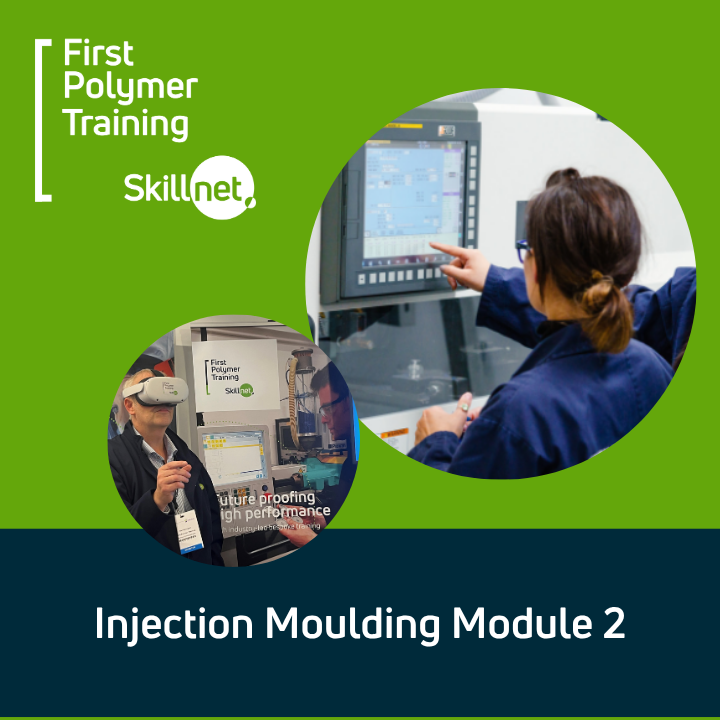
This 4-day programme focuses heavily on troubleshooting. It is suitable for operators, team-leaders, tool setters, technicians and engineers with at least a few months moulding experience, or those who have completed the Module 1 course or equivalent.

On successful completion of the course, trainees will be awarded a QQI Level 5 Component Certificate in Injection Moulding (5N3036)

Injection Moulding

Injection Moulding Module 2

Injection Moulding Module 2

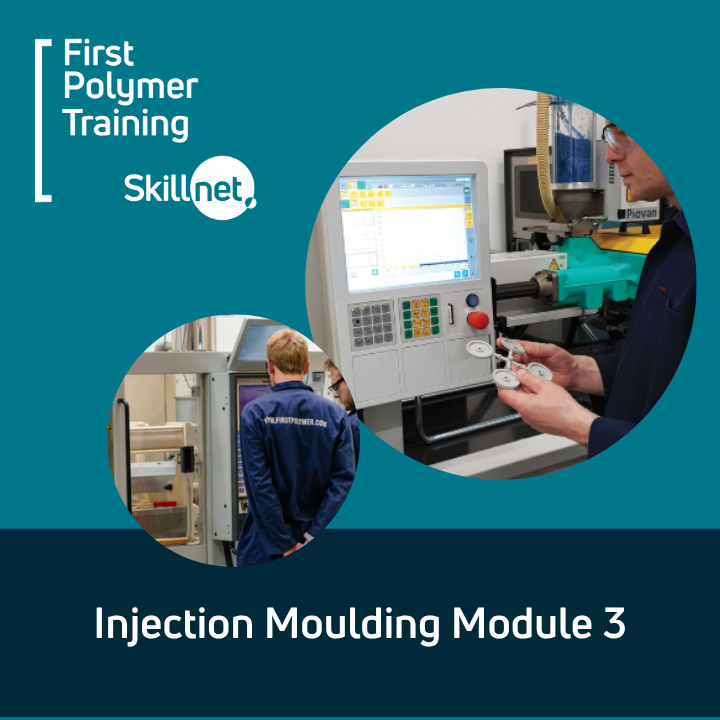
This 4-day programme focuses on techniques used to understand and map the injection moulding process, reducing moulding inconsistency by understanding its causes and effects. A strong emphasis is placed on giving participants the practical skills to apply both SPC and troubleshooting techniques

On successful completion of the course, trainees will be awarded a QQI Level 5 Component Certificate in Injection Moulding (5N3037)


Injection Moulding

Injection Moulding Module 3

Injection Moulding Module 3

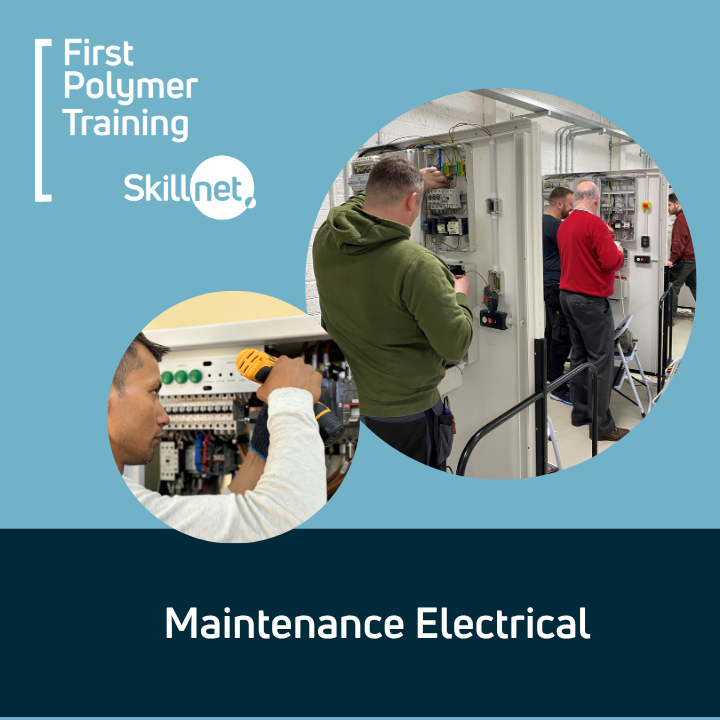
Our Electrical maintenance course places a strong focus on theory and practical skills. Trainees will learn to take machine drawings and a multi-meter and safely trace the cause of the stoppage  in order to decide if it’s a simple fix to get back into production, or if the machine really needs to be left for expert help. The objective of this programme is to equip the learner with the knowledge, skill and competence to diagnose industrial faults and to carry out minor repairs/ replacements safely and where appropriate. The course will inform the trainee of potential hazards when working with or near electrical equipment and when they need to call a qualified electrician  and how to troubleshoot very safely.

Automation

Maintenance Electrical

Maintenance Electrical

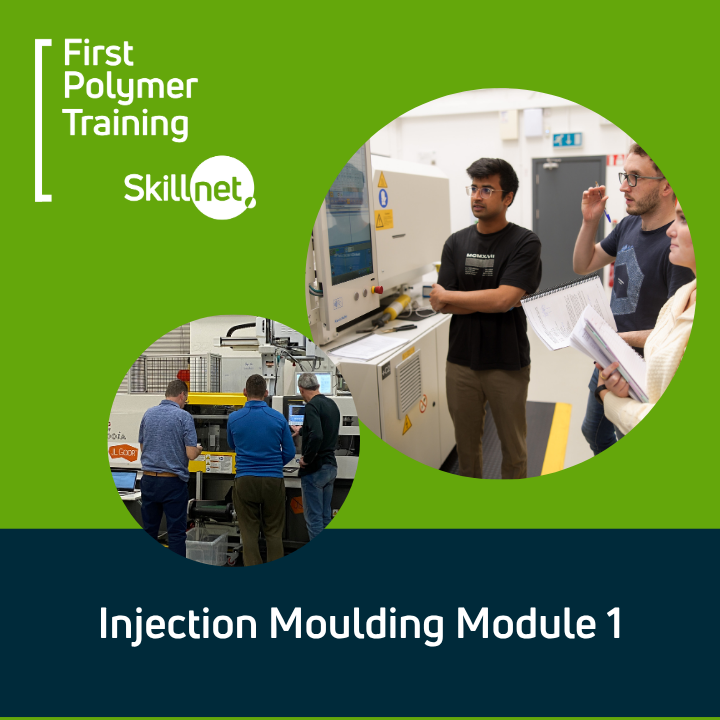
This is an intense 4-day programme which covers in detail all aspects of injection moulding – both theory and practice. Training takes place at our well-equipped training facility in Athlone. No prior knowledge or experience of Injection moulding is assumed. On successful completion of the course, trainees will be awarded a QQI Level 5 Component Certificate in Injection Moulding (5N3035)

Injection Moulding

Injection Moulding Module 1

Injection Moulding Module 1

A five-day course with the option to complete a two days QQI Accreditation.

This course is designed to focus on the fundamentals of Siemens Simatic S7-1500 PLC + HMI's, specifically covering S7 TIA programming in Ladder

(LAD), Flow Block Diagram (FBD) and Statement List (STL).

The course will also cover Siemens Simatic S7-1200 PLC which leads to Siemens Simatic S7-1500 PLC.

Course Prerequisite:

No prior use or knowledge of Siemens PLC Systems is necessary, but one assumes that students can operate a keyboard and have PC computer skills.

Unique to First Polymer Training Skillnet, this customised course been designed as step 3 within our Automation Career Progression Pathway.

Additional information

The cost above includes the accreditation and attendance fee for Day 6 & 7. No discount or refund will be given to participants that do not attend/ complete the 2 further accreditation days. In order to avail of accreditation on this programme, trainees must attend the examination days which are generally held 4-8 weeks after the main programme. This is a QQI requirement of our validated programme, in order for candidates to successfully achieve a Level 6 Component Award in Programmable Logic Controllers (6N537O). The gap from the main course to the assessment day is intended to allow trainees time to implement what they have learned while on the job/ and also have an opportunity to embed the knowledge and reflect on the skills and knowledge gained. Candidates who do not wish to avail of accreditation are still welcome to only attend the scheduled 5 days and receive a Certificate of Attendance.

Not what you are looking for: First Polymer Training Skillnet can design bespoke shorter programmes for companies to be delivered at our Athlone Centre or on-site depending on any specific needs. Please get in touch to discuss further.


Who is the course for

  • Intending, new or recent users of Siemens Simatic S7 TIA range of PLC's.

  • Individuals who have responsibility for maintaining, troubleshooting and developing in-house Siemens Simatic Step 7 applications.

  • Process Technician's responsible for Machine Uptime and fault finding.

  • Maintenance Personnel.

  • Validation Personnel that thrive to get a better understanding of Automation Systems.

Learning outcomes

  • At the end of the course, each participant will be able to:

  • Design and Write basic S7 TIA1500 programs and understand their structure.

  • Troubleshoot hardware & software Siemens Simatic PLC systems.

  • Involve each participant in workshops designed to develop their own applications and advance their existing S7 TIA programming skills.

  • Increased Level of understanding as to how Automation Systems work.

Automation

Siemens TIA-1200/1500 PLCs

Siemens TIA-1200/1500 PLCs

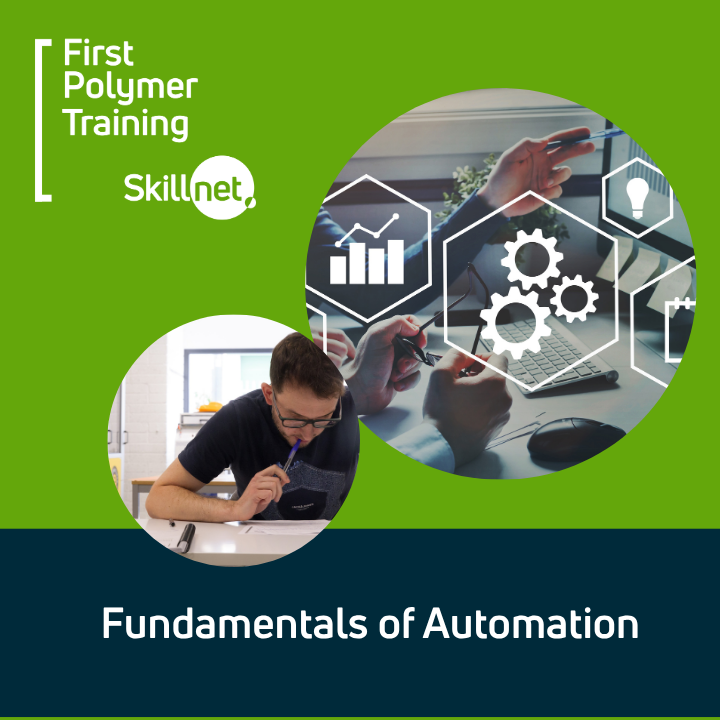
With the growing emphasis on automation in manufacturing and the move towards Industry 4.0 (the smart factory), it is essential that technicians and engineers are equipped with the skills and competencies to work with electrical equipment, PLCs, HMIs (Allen Bradley and Siemens), robotics and pneumatics to critically reduce the downtime and increase the uptime.

This 4 day Electrical PLC’s & HMi hands-on course is the ideal taster for anyone wishing to upskill in the area of automation before deciding to progress to more intensive training in PLC’s and HMi’s. With a strong mix of theory and practical work, participants will gain experience working on our specially designed Electrical PLC & HMi system which replicates those found in industry.

Critical areas covered include:

  • Reading of Schematic Electrical Drawings
  • Power Distribution Circuits
  • Resolving Safety interlock issues with Safe Guard Relays, Safety Monitoring Relays & Light Curtains
  • Set-up and Program LOGO PLC for the System to include:
  • System Healthy indication
  • System safety interlocks indication
  • Motor Start Stop incorporating a Photocell to monitor Product on a production line
  • Set-up the LOGO HMi to display Static & Dynamic Fault Indication
Automation

Fundamentals of Automation

Fundamentals of Automation

We are delighted to introduce our revamped Plastic Part Design course. Encompassing the existing content from our previous programme, the course has been updated to include the latest advances in materials, technology and processes as well as sustainability and best practice. This intensive course will enable participants to construct a basic polymer product design specification, design a polymer product from first principles and understand the influence of polymer processing upon design and final properties.

Course Schedule:

All sessions will be recorded so if you miss a session you can catch up by viewing the recorded session.

Online: 6 Sessions, 09:30 - 13:00
Exam: In person at The First Polymer Training Centre 

While this course assumes no prior knowledge about plastic part design it is very beneficial to have prior knowledge of the common characteristics of polymer materials and a basic understanding of principal polymer processing methods. Many existing plastic products and new products converted from metals are redesigned in order to simplify production and reduce costs. Designers have to be aware of the unique nature of plastics and how to effectively design with these materials if useful products are to be made. Existing plastic part designers will need to update their knowledge base to effectively design parts from new high performance polymers for medical, automotive and aerospace applications in particular.

Design

Plastic Part Design

Plastic Part Design

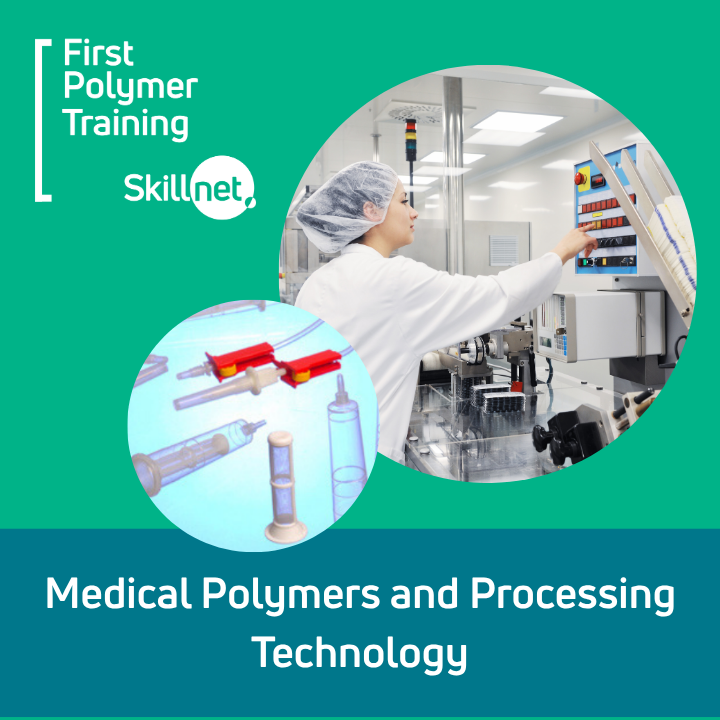
This programme is designed for professionals who wish to gain a comprehensive understanding of polymers materials, FDA requirements and processing technologies (including injection moulding, extrusion) and validation requirements of medical device products.

Safety Shoes – Required on this course

Who is the course for

  • Those working in the medical supply industry, inc, production engineers, product engineers, processing technicians, tool and product design engineers, development engineers, etc.

Learning outcomes

Participants will gain a thorough understanding of;

  • FDA Material Requirements
  • Other Plastics Materials including Thermoplastic Polyurethanes
  • Moulding & processing including all-electric machine technology, micro-moulding technology, multi-layer extrusion technology, etc.
Plastic Materials

Medical Polymers and Processing Technology

Medical Polymers and Processing Technology